Features & Reviews
From mysterious villages to absurdism at the gallows, these books explore the origins, consequences, and possible responses to nihilism.
The top priority was to maintain the agenda.
Classic literature reveals how resilience can be both a source of strength in troubled times — and a dangerous ideal.
Throughout history, the ability to tell increasingly believable stories has become available to more people. Kevin Ashton says that’s a blessing and a curse.

A tour of the literary cover-ups, extraterrestrials, and cryptids lurking in the bookish backwoods.
“Our ultimate goal, after all, is not a good death but a good life to the very end.”
The great books aren’t just classics — they’re cultural Schelling points that give our minds a place to meet up in the world of ideas.

Reading classic books can teach you as much about the present as the past.
Each of these stories rests on a foundation of great ideas that will scare you to death and make you think.
Neuroscientist Rachel Barr shares her favorite books on the brain and how they shaped her approach to the field.

Despite the claims of speed reading apps and programs, you actually have to read the book if you want to learn.
In “That Book Is Dangerous,” author Adam Szetela examines the rise of the “Sensitivity Era” in publishing and how outrage campaigns try to control what books authors can write and readers can read.
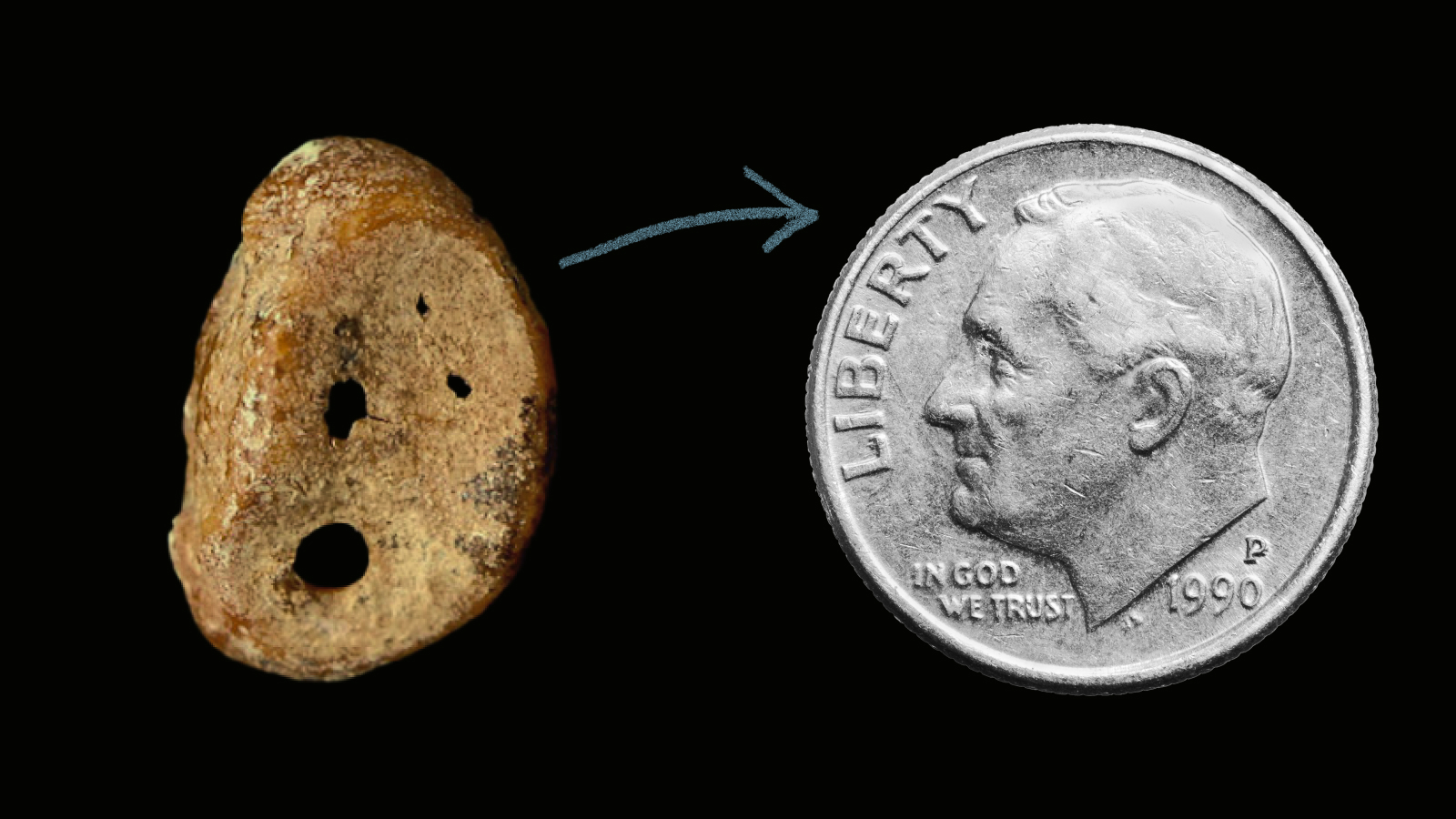
In “The Secret History of Denisovans,” Silvana Condemi and François Savatier trace the story of our mysterious hominin ancestor.
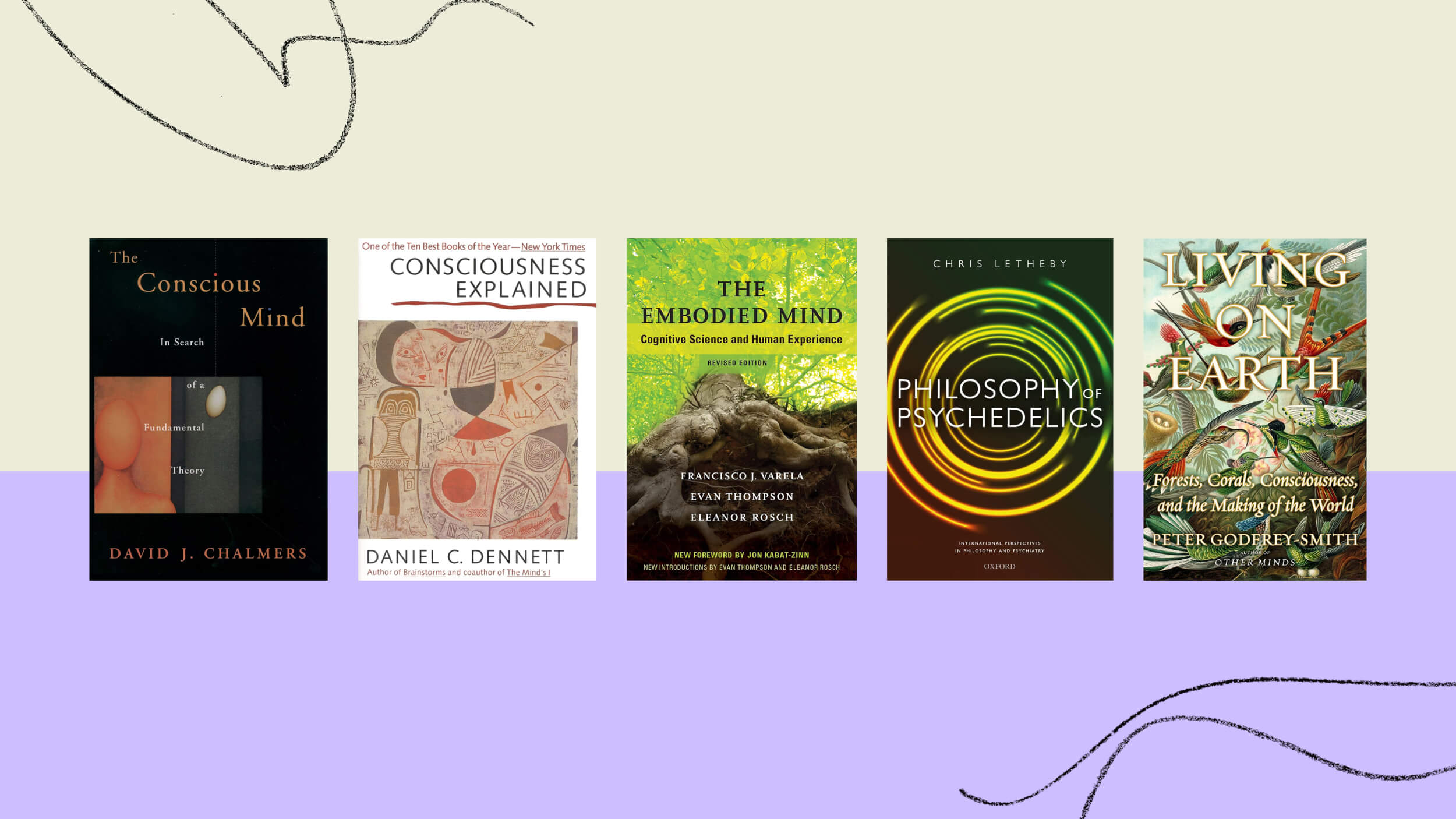
These expert-recommended books try to answer the questions of consciousness, from its fundamental nature to its role in human experience and the natural world.
These short books offer insights and meditations on timeless themes, without the time commitment.

From Einstein to Twain, Garson O’Toole investigates the truth behind your favorite — and often misattributed — quotes.
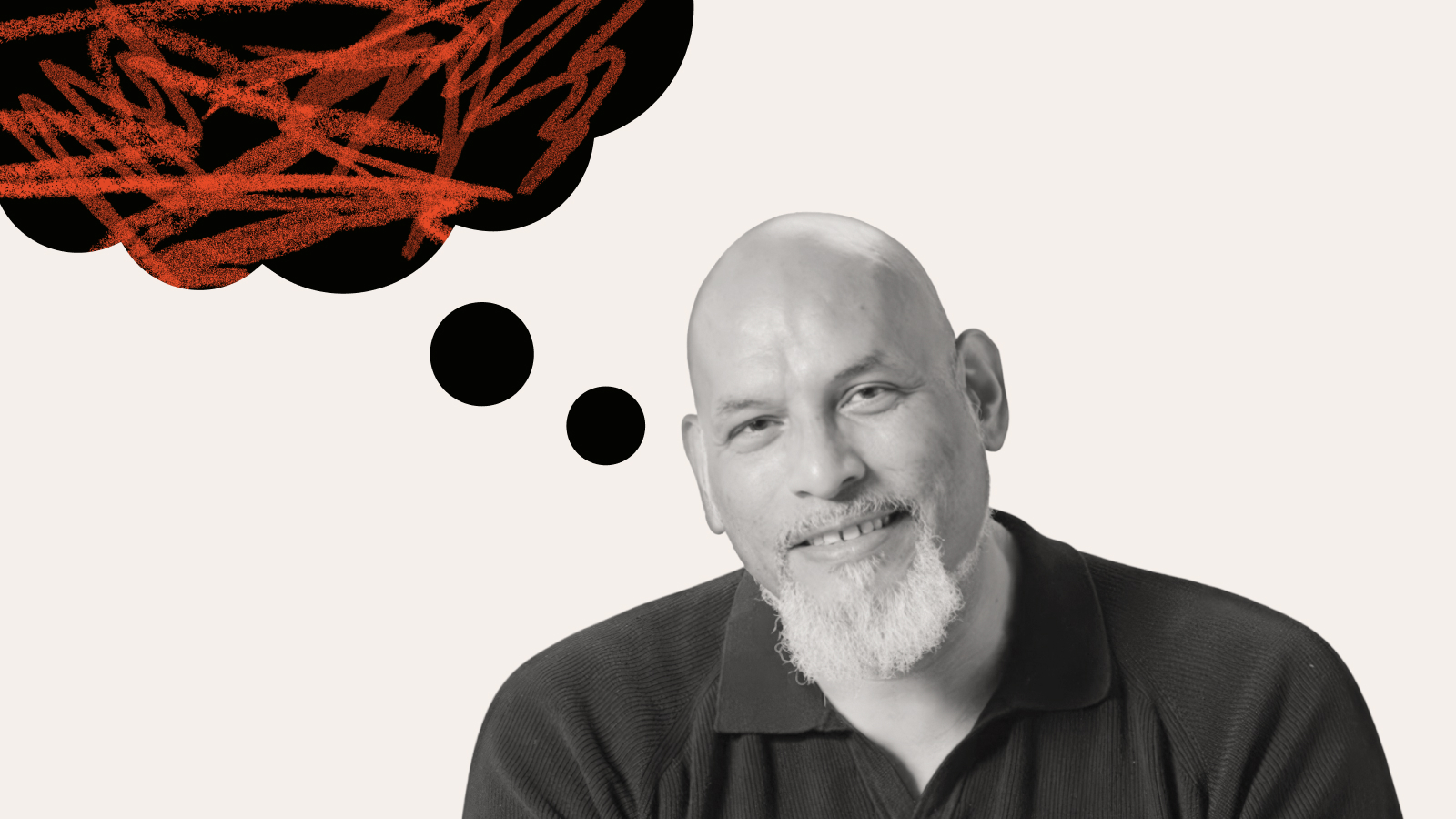
The psychologist, educator, and former NBA player discusses the professional volumes and childhood stories that shaped his life and his approach to it.
Some books are remembered for their lyrical prose or engaging stories. Others are remembered for simply being weird.
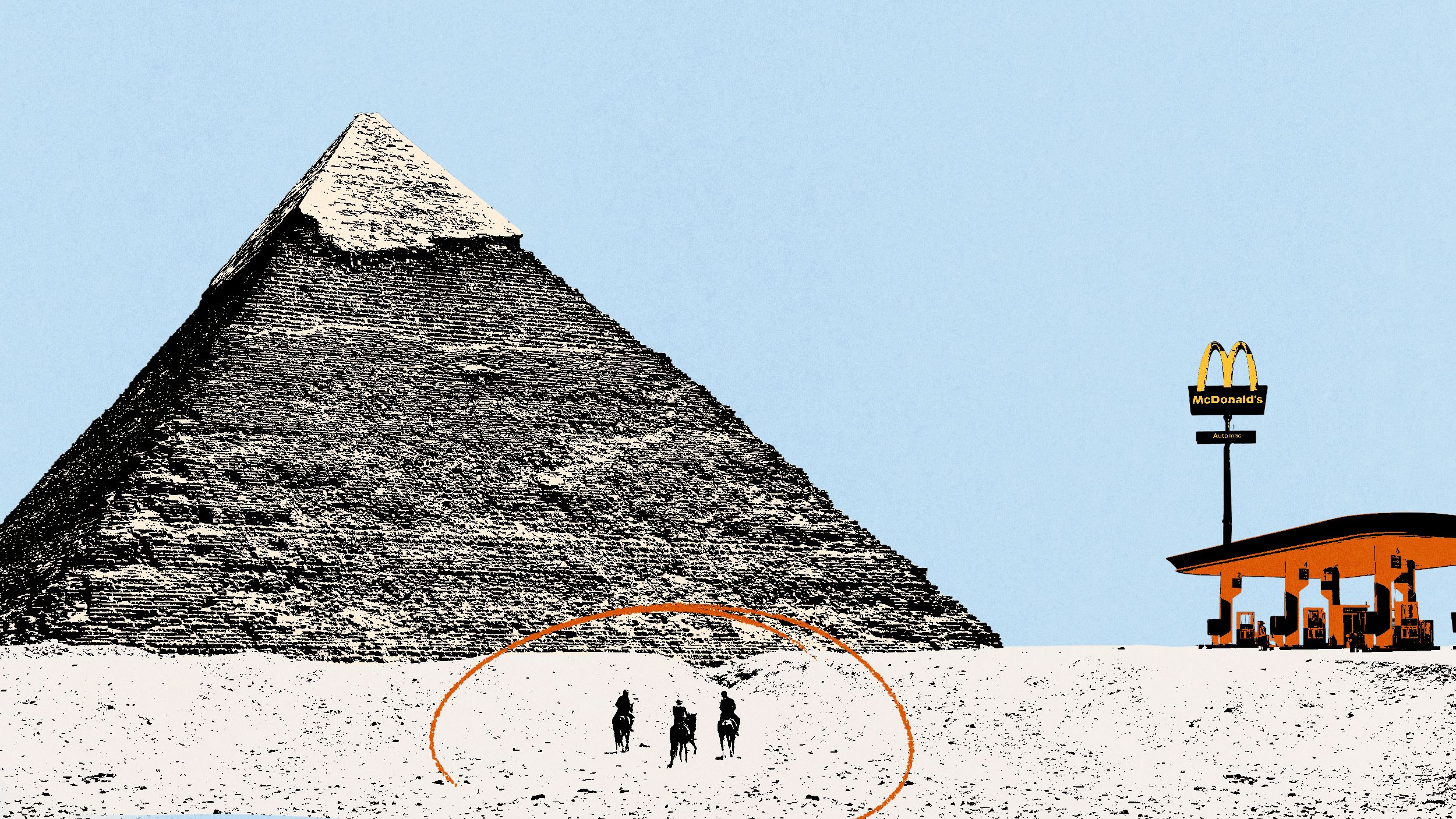
In “Dinner with King Tut,” Sam Kean examines how a burgeoning field is recreating ancient tasks to uncover historical truths.

Want to study philosophy but skip some of its heavier tomes? These five novels are a great place to start. (Existential despair guaranteed.)

Kathryn Harkup, chemist and author of V Is for Venom, joins Big Think to discuss why Christie isn’t just a brilliant writer but a unique science communicator.

With “Karla’s Choice,” Nick Harkaway had an impossible mission: maintain his father’s legacy while staying true to his voice.

An atheist’s case for why American democracy needs a more Christlike Christianity.

The Gospels aren’t historical biographies but genre-defining works that blend myth, theology, and a promise of hope.

Experts and Big Think writers recommend their favorite reads for diving deeper into the history and perspectives found in the Book of Books.
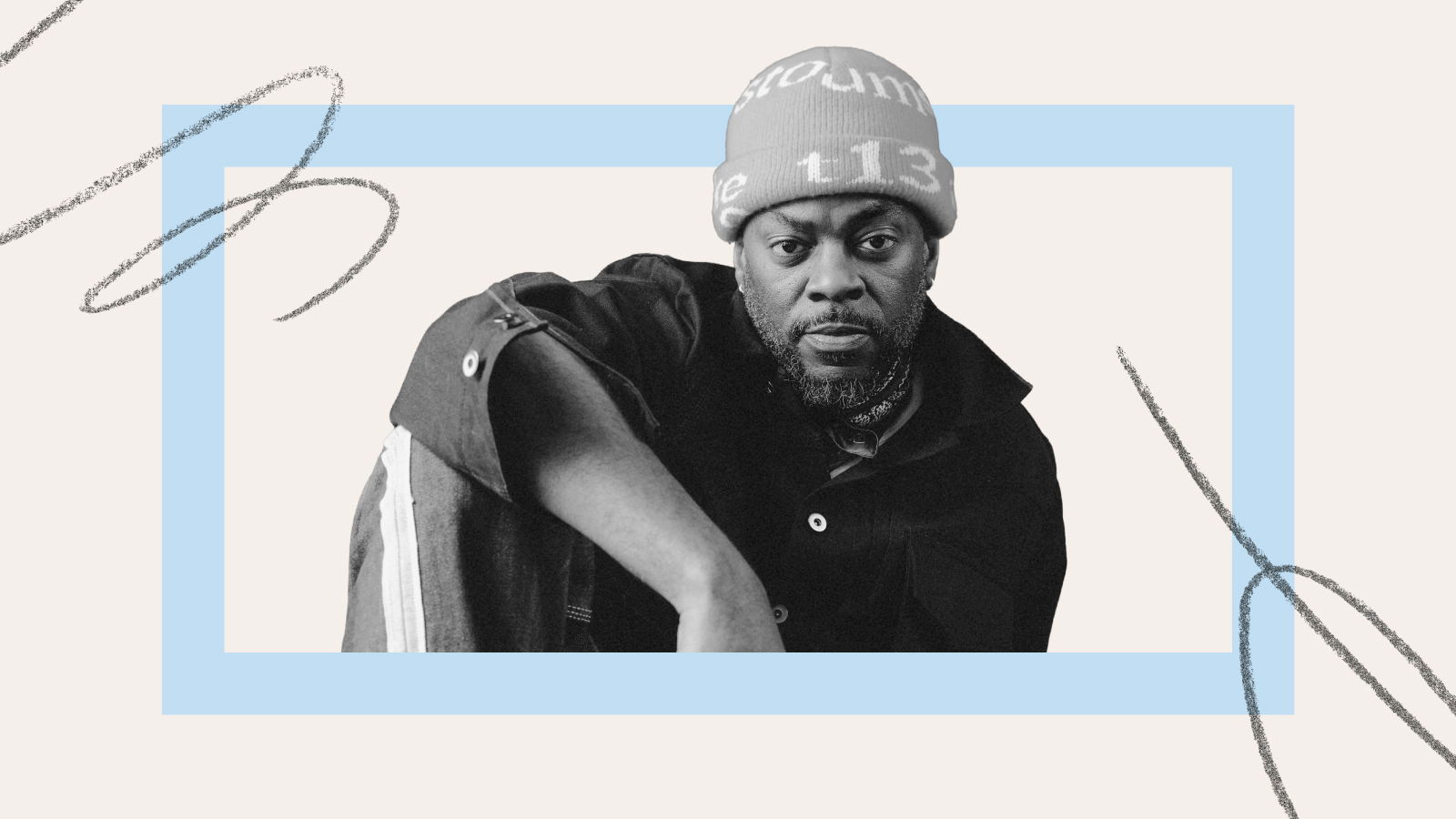
The comedian and musician behind the viral hit “BBL Drizzy” shares the books that shaped his thinking and approach to art.

What happens when scientists “write what they know”? Some amazing science fiction stories.

Hugo-winning author Ken Liu explores what early cinema and Chinese poetry can teach us about AI’s potential as a new artistic medium.

How the cult hit sci-fi show imagines a “techno-realist” future.